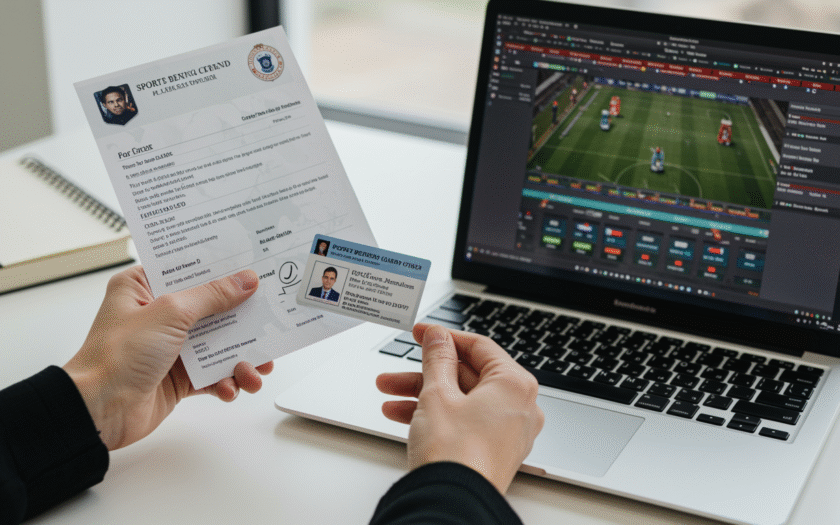
The FICA (Financial Intelligence Centre Act) law mandates comprehensive identity verification at all South African betting sites, serving as a critical safeguard against fraud and money laundering activities. This regulatory framework requires operators to implement robust KYC (Know Your Customer) processes that protect both the betting industry and individual users from financial crimes.
Identity verification is mandatory before players can make deposits or withdrawals, with most operators requiring standard documents including a valid South African ID and proof of address. The verification process typically completes within 1-3 days, though automatic systems can process clear, valid documents much faster than manual review procedures.
Understanding FICA and KYC Requirements for SA Betting Sites
The Financial Intelligence Centre Act (FICA) establishes South Africa’s comprehensive framework for combating money laundering and terrorist financing activities. This legislation requires all financial service providers, including betting operators, to implement stringent customer identification procedures before establishing business relationships. FICA’s primary purpose involves creating transparency in financial transactions while preventing the misuse of the financial system for illicit activities.
Global KYC standards complement FICA requirements by establishing international best practices for customer due diligence. These standards ensure betting operators maintain consistent verification procedures that meet both local regulatory demands and international compliance expectations. South African betting sites must demonstrate their adherence to these combined frameworks through documented verification processes, regular audits, and comprehensive record-keeping systems that satisfy both domestic regulators and international oversight bodies.
Legal Framework Behind Identity Verification
The National Gambling Act and FIC Act work together to create binding legal mandates for identity verification in South Africa’s betting industry. These acts specifically prohibit operators from accepting deposits, processing withdrawals, or offering promotional benefits to unverified accounts. The legislation establishes clear penalties for non-compliance, including substantial fines, license revocation, and potential criminal charges for operators who fail to implement adequate verification procedures.
Regulation 4 of the FIC Act specifically addresses identity verification requirements, mandating that operators collect, verify, and maintain accurate customer identification records. This regulation requires betting sites to implement both automated and manual verification systems, ensuring that all customer documents undergo thorough authentication processes before account activation.
Why Identity Verification Protects Bettors
Identity verification serves as the primary defense against fraud for individual users, preventing unauthorized account access and protecting personal financial information from criminals. These systems create secure barriers that prevent identity theft, unauthorized transactions, and account takeovers that could result in significant financial losses for legitimate users.
The verification process also provides essential protections against underage gambling by ensuring that only individuals over 18 can access betting services. Additionally, verified accounts benefit from enhanced transaction security, faster dispute resolution, and comprehensive account recovery options that protect users’ funds and betting history during technical issues or security incidents.
Accepted Identity Documents for SA Betting Site Verification
South African betting sites accept several forms of primary identification, each with specific requirements for image quality and document validity. The most commonly accepted documents include the traditional green ID book, the newer Smart ID card, a valid South African driver’s license, and South African passports. Smart ID cards require clear images of both the front and back sides to capture all necessary biometric and personal information.
Document clarity remains crucial for successful verification, with operators requiring high-resolution images that clearly display all text, photographs, and security features. All submitted documents must remain valid and unexpired, with betting sites typically rejecting documents that expire within 30 days of submission to ensure ongoing validity throughout the verification process.
| Document Type | Requirements | Processing Notes | Validity Period |
|---|---|---|---|
| Smart ID Card | Clear images of both sides, readable text | Fastest processing via biometric chip data | Must be valid for 30+ days |
| Traditional ID Book | Photo page and personal details visible | Manual verification typically required | No expiry date concerns |
| Driver’s License | Card-type license with photo clearly visible | Accepted as primary ID with address proof | Must not expire within 6 months |
| SA Passport | Photo page with personal details and signatures | Requires additional address verification | Valid for minimum 12 months |
| Temporary ID Certificate | Official Home Affairs document with photo | Manual verification with extended processing | Valid until permanent ID issued |
Smart ID Cards vs Traditional ID Books
Smart ID cards generally process faster than traditional ID books due to their integrated biometric chips and standardized digital format that automated verification systems can read efficiently. The embedded chip technology allows betting sites to cross-reference customer data directly with Home Affairs databases, significantly reducing manual verification requirements and processing times.
Traditional ID books, while still widely accepted, typically require manual review processes that extend verification timelines. However, many older South Africans prefer using ID books, and betting operators must accommodate both document types to ensure inclusive access to their services while maintaining compliance with FICA requirements.
Proof of Address Documentation Requirements
Betting sites require recent proof of address documentation to comply with FICA regulations and verify customers’ residential information accurately. The three-month recency rule ensures that address information remains current and reflects customers’ actual living situations. This requirement helps prevent fraud and ensures that operators can contact customers reliably when necessary.
For customers without traditional utility bills or bank statements, betting sites typically accept alternative documentation including municipal statements, lease agreements, or affidavits from local councillors. These alternatives accommodate South Africa’s diverse living situations while maintaining regulatory compliance.
- Bank statements from major South African banks dated within the last 3 months
- Municipal utility bills including electricity, water, or refuse collection statements
- Rental agreements or lease contracts with landlord contact information verified
- Insurance policy statements showing current residential address details
- Cell phone contracts or account statements from registered network providers
- Rates and taxes statements from local municipal authorities
Three-Month Rule and Document Recency
The three-month recency requirement exists because addresses can change frequently, and outdated information compromises both regulatory compliance and customer service effectiveness. Recent documentation ensures that betting operators maintain accurate customer records for legal reporting requirements and can communicate important account information reliably.
Customers struggling to obtain recent proof of address documents should contact their bank for current statements, request updated utility bills from service providers, or visit municipal offices for rates statements. Many operators provide guidance on obtaining acceptable documentation and may offer temporary verification solutions while customers gather required paperwork.
Alternative Proof of Address Options
Councillor letters and sworn affidavits provide viable alternatives for customers without traditional address proof, particularly those living in informal settlements or sharing accommodation. These documents must include specific details about the customer’s residence duration, exact address information, and contact details for verification purposes.
Expatriates and foreign nationals often face unique challenges in providing acceptable address proof, but betting sites typically accept international bank statements, embassy letters, or work permits as alternative documentation. These customers may experience longer verification times due to additional manual review requirements for non-standard documentation.
Step-by-Step Verification Process at Major SA Betting Sites
The verification workflow begins immediately after account registration, with most betting sites prompting customers to upload required documents before making their first deposit. Desktop computer users typically access dedicated verification portals through secure account dashboards, while mobile app users can upload documents directly through built-in camera functionality or file selection interfaces.
Computer-based submissions often provide more flexibility for document scanning and image editing, allowing customers to ensure optimal image quality before submission. Mobile app submissions offer convenience and immediate processing but may require multiple attempts to achieve adequate image clarity. Most operators recommend using desktop computers for initial document uploads while providing mobile options for customer convenience.
The verification process varies between automatic and manual systems, with simple cases processing within hours through automated document recognition technology. Complex cases requiring manual review typically take 24-72 hours, depending on document quality, information accuracy, and operator staffing levels during peak periods.
Document Upload Methods and Best Practices
- Log into your betting account and navigate to the verification or account settings section
- Select the document type you’re uploading (ID, proof of address, etc.) from the dropdown menu
- Ensure your document images are in accepted formats including PDF, JPG, or PNG files
- Verify that all text, photos, and security features are clearly visible without shadows or glare
- Upload files smaller than 5MB to prevent system errors and ensure faster processing
- Review uploaded images for clarity and completeness before final submission
- Submit documents and monitor your account for verification status updates via email or SMS
Verification Timelines and Processing Speeds
Processing speeds vary significantly between betting operators based on their technology infrastructure, staffing levels, and verification procedures. Automatic verification systems can process standard documents within minutes, while manual reviews typically require 24-48 hours during normal business periods.
Several factors affect verification delays including document quality, information mismatches, high submission volumes during promotional periods, and the need for additional documentation clarification. Peak times such as major sporting events or bonus promotions often result in longer processing times due to increased customer registration volumes.
| Operator | Typical Processing Time | Automatic Verification | Manual Review Required |
|---|---|---|---|
| Major Licensed Operators | 1-3 hours (auto) / 24-48 hours (manual) | Smart ID cards, clear documents | Traditional ID books, unclear images |
| Mid-Tier Operators | 6-12 hours (auto) / 48-72 hours (manual) | Standard ID documents only | Most submissions during peak periods |
| Smaller Licensed Sites | 12-24 hours (auto) / 3-5 days (manual) | Limited to perfect document matches | All complex cases and alternative documents |
| New Market Entrants | 24-48 hours (all submissions) | Minimal automation capabilities | All submissions require human review |
Automatic Verification Systems
Advanced betting operators utilize machine learning systems and direct integration with Home Affairs databases to verify customer documents automatically. These systems can process Smart ID cards within minutes by reading biometric chip data and cross-referencing personal information with official government records, significantly reducing wait times for customers with standard documentation.
When automatic verification fails due to image quality issues or database mismatches, most systems automatically route submissions to manual review queues. This fallback ensures that customers with legitimate documents but technical processing issues still receive verification approval, though with extended processing times.
What to Do If Verification Is Delayed
Common verification delays include poor image quality, information mismatches between registration details and submitted documents, and high submission volumes during promotional periods. Customers experiencing delays should first check their email and account notifications for specific feedback about required corrections or additional documentation.
Most betting sites provide customer service escalation options including live chat support, dedicated verification helplines, and priority processing for customers experiencing unusual delays. Customers should contact support after 72 hours for standard submissions or immediately if they receive specific error messages requiring document corrections.
Common Verification Issues and How to Resolve Them
Document verification issues typically stem from image quality problems, information mismatches, or incomplete submissions that require customer correction and resubmission. Understanding common problems and their solutions helps customers avoid delays and complete verification successfully on their first attempt.
Most betting sites provide specific feedback about rejection reasons, allowing customers to address issues systematically. The most frequent problems include blurry images, partial document coverage, expired documents, and mismatched personal information between registration details and submitted documentation.
Troubleshooting verification issues requires systematic attention to image quality, document validity, and information accuracy. Customers should ensure adequate lighting, stable camera positioning, and complete document coverage when capturing images for submission.
| Issue | Common Causes | Solution | Prevention Tips |
|---|---|---|---|
| Blurry Document Images | Camera shake, poor lighting, low resolution | Retake photos in bright light with steady hands | Use document scanners or ask someone to help |
| Name Mismatch | Marriage, registration typos, nickname usage | Contact support to update account details | Use exact names from official documents |
| Address Mismatch | Recent moves, incorrect registration details | Update account address or provide matching documents | Verify address accuracy before registration |
| Expired Documents | Old documents, approaching expiry dates | Renew documents or provide alternative ID | Check expiry dates before submission |
| File Size Too Large | High-resolution images, uncompressed files | Compress images or use PDF format | Check file size limits before upload |
| Incomplete Document Coverage | Cropped images, missing corners or edges | Capture full document within image frame | Review images before submission |
| Wrong Document Format | Unsupported file types, corrupted uploads | Convert to PDF, JPG, or PNG format | Check accepted formats before upload |
Handling Name and Address Mismatches
Name mismatches frequently occur due to marriage name changes, registration typos during account creation, or the use of nicknames instead of legal names. Customers should contact betting site customer support immediately to update account details before resubmitting documents, as most operators allow name corrections with appropriate supporting documentation such as marriage certificates or affidavits.
Address mismatches often result from recent relocations or incorrect information entered during registration. Customers can either update their account address to match their current proof of address documents or provide alternative address proof that matches their original registration details. For recent moves, customers may need to wait until they obtain proof of address documentation for their new residence.
Some operators accept sworn affidavits explaining name or address changes, particularly for customers who have moved recently or undergone significant life changes. These affidavits must be properly notarized and include specific details about the circumstances requiring updated information.
Marriage name changes require additional documentation including marriage certificates and sometimes deed poll certificates for complex name change situations. Customers should gather all relevant supporting documents before contacting customer support to ensure efficient resolution of mismatch issues.
Account Restrictions Before and After Verification
Unverified accounts face significant functional limitations designed to comply with FICA requirements while preventing money laundering and underage gambling. These restrictions affect most core betting activities and financial transactions until customers complete the full verification process.
Bonus eligibility remains blocked for unverified accounts, with operators unable to award promotional credits or free bets until identity confirmation completes. Withdrawal restrictions represent the most significant limitation, as FICA regulations prohibit operators from processing any payouts to unverified accounts regardless of winning amounts or deposit methods used.
- Deposit limits restricted to minimal amounts, typically under R1,000 per transaction
- Complete withdrawal blocking until full verification approval
- Bonus and promotional offer exclusions for all unverified accounts
- Limited betting markets with reduced odds and stake restrictions
- VIP program and loyalty reward ineligibility
- Live betting and in-play wagering restrictions on most operators
Pre-Verification Account Capabilities
Temporary account limits allow new customers to explore betting sites and place small wagers while completing verification processes. Most operators permit deposits up to R500-R1,000 and basic sports betting functionality to provide immediate access while maintaining regulatory compliance.
Site features available to unverified accounts typically include browsing betting markets, viewing odds, accessing basic customer support, and making limited deposits through standard payment methods. However, advanced features like live streaming, detailed statistics, and premium betting tools remain restricted until full verification completion.
Post-Verification Benefits and Full Account Access
Verified accounts gain access to complete betting site functionality including unlimited deposits and withdrawals subject to standard terms and conditions. Full promotional eligibility includes welcome bonuses, free bets, cashback offers, and ongoing promotional campaigns that enhance the betting experience significantly.
VIP program eligibility begins immediately after verification approval, allowing customers to accumulate loyalty points, access exclusive promotions, and receive personalized customer service. Premium features like live streaming, advanced statistics, and early cash-out options become available, providing enhanced betting experiences for verified customers.
Security and Privacy Considerations
Document security during the verification process requires robust encryption protocols and secure transmission methods to protect customer personal information from unauthorized access. South African betting operators must comply with POPIA (Protection of Personal Information Act) requirements while implementing international security standards for document handling and storage.
Privacy protections extend beyond simple encryption to include secure document storage, limited access protocols, and automatic deletion procedures for rejected or superseded documents. Customers should remain vigilant about phishing attempts and fraudulent communication claiming to request additional verification documents outside official betting site channels.
Betting operators implement multiple security layers including SSL encryption, secure document portals, and restricted access controls to protect customer information throughout the verification process. Regular security audits ensure ongoing compliance with both privacy regulations and industry security standards.
| Security Measure | Purpose | Bettor Protection | Compliance Standard |
|---|---|---|---|
| SSL/TLS Encryption | Secure document transmission | Prevents document interception | POPIA and international standards |
| Secure Document Storage | Long-term record keeping | Protects stored personal information | FICA record retention requirements |
| Access Control Systems | Limit staff document access | Prevents unauthorized viewing | POPIA access limitation principles |
| Automated Deletion Protocols | Remove unnecessary document copies | Reduces long-term exposure risk | POPIA data minimization requirements |
| Audit Trail Systems | Track document access and changes | Enables breach detection | Regulatory audit requirements |
Protecting Your Documents During Submission
Safe document upload requires verification of website security indicators including HTTPS encryption and official betting site domain names before submitting personal documents. Customers should always log into their accounts through official websites or mobile apps rather than clicking links from emails or third-party sources that might lead to fraudulent document collection sites.
Portal security checks should include verifying SSL certificates, checking for proper website branding and design consistency, and ensuring that document upload pages display appropriate security warnings and privacy notices. Customers should never submit verification documents through email, social media messages, or unsecured websites claiming to represent legitimate betting operators.
Additional protection measures include using secure internet connections rather than public Wi-Fi networks, clearing browser data after document submission, and monitoring account activity for unauthorized access following verification completion. Customers should report any suspicious communication requesting additional documents or verification outside official channels immediately to customer support teams.
Document handling best practices extend to physical security, with customers advised to store original documents securely and avoid saving digital copies on shared computers or cloud storage systems that might compromise personal information security over time.